
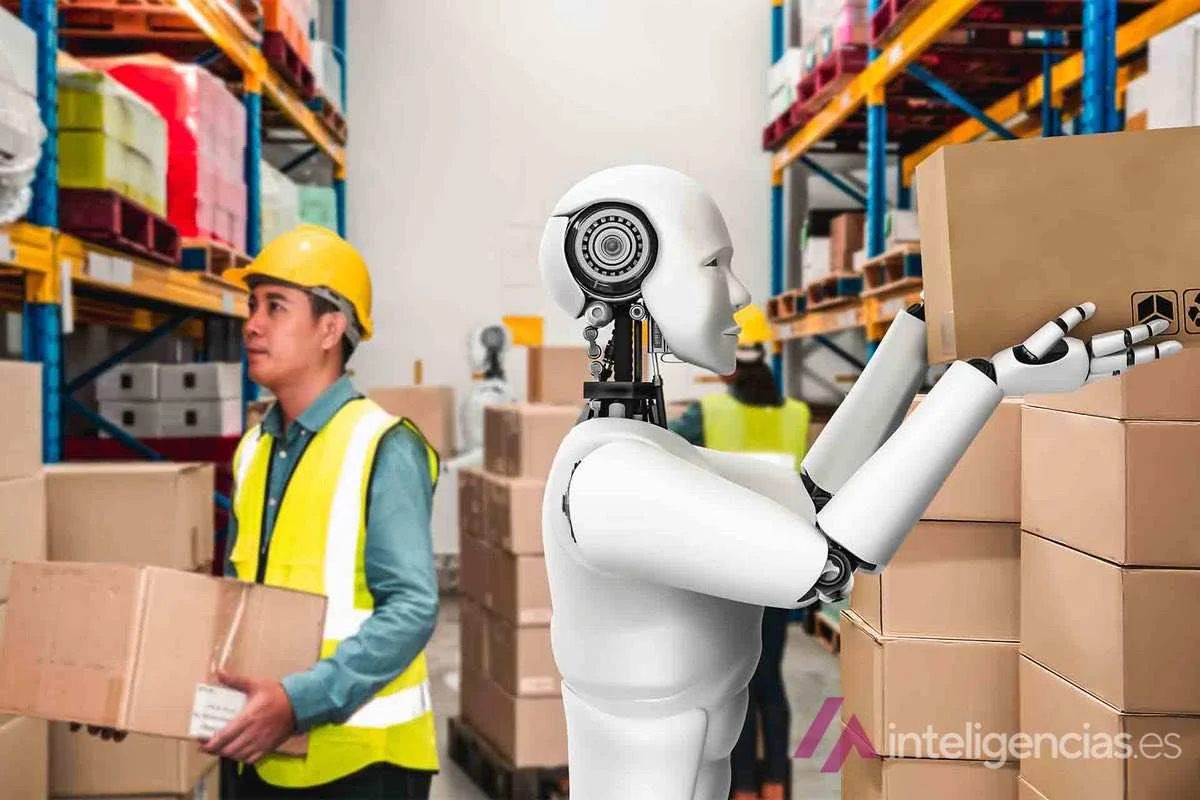
Work automation
One of the main ways AI is impacting employment and work is through task automation. Many tasks that were once performed by humans, such as sorting documents or answering frequently asked questions, are now performed by chatbots and other AI systems. This has led to the automation of many jobs and has changed the way companies are organized. However, it has also opened the door to new job opportunities in AI-related areas and allowed companies to optimize their processes and increase efficiency.
Job replacement
Job replacement is another major concern with the advancement of AI. As more tasks are automated, there are fears that jobs requiring routine or repetitive skills will be replaced by AI systems. This may lead to job loss for many people and the need for them to retrain for new skills. However, it is important to keep in mind that while AI may replace some jobs, it is also opening the door to new employment opportunities and requiring new skills in areas such as software development and implementation of AI systems.
Changing job structure
In addition to replacing jobs, AI is also changing the way many jobs are performed. Many jobs that were once performed manually are now being partially automated, requiring workers to acquire new skills and adapt to new ways of working. This may lead to increased demand for technical and teamwork skills, and may change the way many jobs are organized and performed.
New employment opportunities
While the advancement of AI has raised concerns about job loss, it has also opened the door to new employment opportunities. With the increasing use of AI in many industries, there is a greater demand for professionals with skills in areas such as software development, AI system implementation, and data interpretation. In addition, AI is also creating new employment opportunities in areas such as business intelligence and healthcare.
Considerations and challenges
Equal Opportunity
One of the main considerations with the impact of AI on employment and work is equal opportunity. As AI changes the way many jobs are performed and creates new employment opportunities, it is important to ensure that all workers have access to the training and skills needed to adapt to these changes and take advantage of the new opportunities. This may require investments in training and education and can be a challenge in areas with economic and social inequalities.
Pay equity
Another important consideration with the impact of AI on employment and work is equal pay. As AI changes the way many jobs are performed, it is important to ensure that workers are paid fairly and equitably for their work. This may require a review of pay policies and the adoption of measures to prevent discrimination and the pay gap.
Regulation and ethics
Another major challenge with the impact of AI on employment and labor is the need for regulation and ethics. As AI is increasingly used in the workplace, it is important to ensure that it is used ethically and responsibly and that workers’ rights and safety are protected. This may require the adoption of laws and regulations to regulate the use of AI in the workplace and ensure that ethical and labor rights standards are met. In addition, it is important to keep in mind that AI may have an impact on society at large and consideration needs to be given to how potential long-term effects can be addressed.
Conclusion
In summary, the impact of AI on employment and work is complex and raises important challenges and considerations. While AI has led to the automation of many jobs and has changed the way many jobs are performed, it has also opened the door to new employment opportunities and required new skills. It is important to consider how these changes can be addressed and to ensure equal opportunity and pay and appropriate regulation and ethics to ensure a long-term positive impact.
In IT since 2002: systems, engineering, web development and SEO. I have been doing business with AI since February 2023, when ChatGPT could first be bought in Spain.

Anything left unclear? Ask me
I’m Miguel Ángel, and I’ll answer you myself, right here. And if something is out of date, tell me and I’ll fix it.