
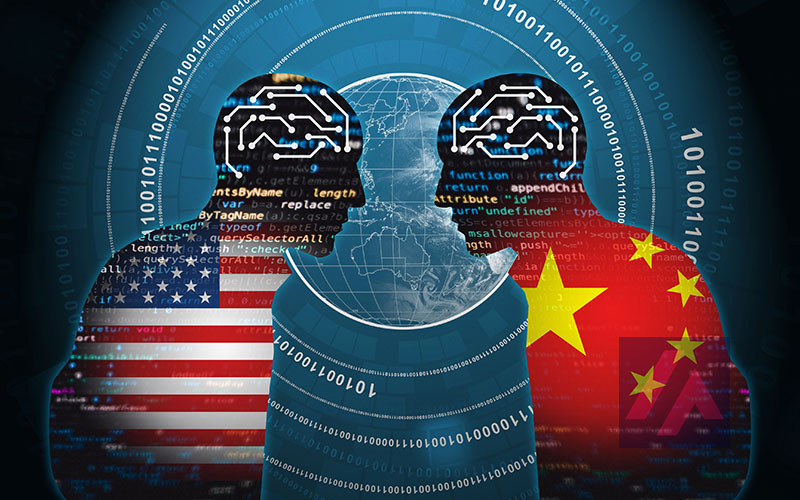
Machine learning models have shown significant advances in recent months, which has generated excitement and concern about the future of AI. The latest AI model to be able to hold intelligent conversations is ChatGPT.
In China, tech companies, entrepreneurs and researchers are looking to develop their own technology in the generative AI space, creating tools that suit the country’s tastes and political climate.
Regulators have responded quickly to define how text, image and video synthesis should be used. Chinese companies such as Baidu, Tencent and IDEA have made strides in AI, developing open source AI models such as ERNIE-ViLG, Taiyi and Different Dimension Me. However, Chinese AI models still struggle to capture cultural subtleties and have been found to be inaccurate.
A parallel universe of generative AI is being built in China.
Its tools are being shaped not only by the local data they learn from, but also by the country’s laws. For example, the Chinese government has put regulations in place to prevent the misuse of generative AI, which is an important sign for the future of the field. These regulations make it mandatory for users to verify their real name before using generative AI applications, which undeniably has a restricted impact on user behavior.
However, this may also lead to more responsible use of generative AI, as it has been widely used to create content that is not appropriate for all audiences and sexist elsewhere. Interestingly, China is at the forefront of trying to regulate generative AI as a country. While there is still no consensus on how this rapidly changing technology should be governed, a collaborative effort involving technology experts, social scientists, the public sector and government, including the business and legal aspect of regulation, is needed.
How they monetize AI in China
In China, many people are finding innovative ways to monetize AI.
Some are employing machine learning algorithms to produce engaging content such as emojis or wallpapers, which they can then sell or use to generate advertising revenue.
AI is also being used in regular jobs to streamline processes and reduce costs. However, unlike their Western counterpart, some Chinese entrepreneurs do not believe that their AI-based business has the same valuation or growth as Western companies. In addition, competition in the Chinese market is very aggressive, making it difficult for companies to maintain a competitive edge.
Although in general, generative AI is developing differently in China and the West, it is important to continue to observe and evaluate how this technology is developing on both sides of the world.
Restrictions
In China, even when companies want to invest in training large neural networks, they may face obstacles due to sanctions imposed by the U.S. government. In September, the U.S. placed restrictions on exports of high-end AI chips to China, meaning that some Chinese companies may have difficulty obtaining the best tools for their research. While many Chinese AI startups focus on the application side and don’t need those high-performance chips, for those doing basic research, using less powerful chips would mean longer life and cost in their processes. However, some argue that these sanctions could spur China to invest in advanced technologies in the long term.


0 Comments